EN
 es
 ru
 CN

A flexibag should be installed only in a clean, structurally sound container with no sharp edges, exposed bolts, floor damage, or other surfaces that could puncture the bag. The container must be properly lined, the flexibag positioned according to the manufacturer's instructions, and the door-end restraint system correctly installed before filling.
During transport, cargo compatibility, filling volume, temperature, valve security, container condition, and liquid movement all need to be controlled. Incorrect installation or underfilling can increase liquid surge and place excessive stress on both the flexitank bag and container structure.
For most bulk non-hazardous liquid shipments, flexibags are installed in 20-foot general-purpose containers. Industry guidance from the Container Owners Association (COA) also emphasizes that the flexitank, container, fittings, and restraint system should be treated as one complete transport system.
A suitable flexibag container must be structurally sound, dry, clean, and free from anything that could damage the flexible liner.
Before installation, check:
Container walls and roof for severe dents, rust, or holes
Floorboards for nails, screws, splinters, or sharp edges
Door hardware for protruding bolts or damaged components
Previous cargo residues, moisture, and strong odors
Door locking bars and overall structural condition
Industry best-practice guidance specifically recommends inspecting both the interior and exterior of the container before flexibag installation.
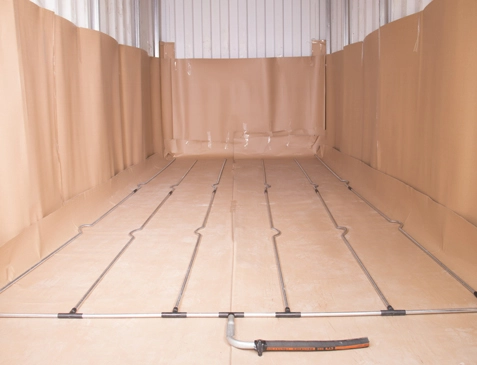
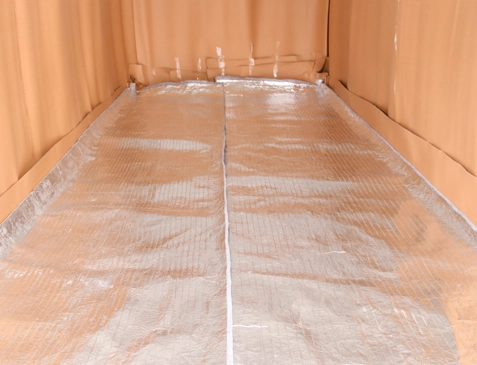
Protective materials such as corrugated cardboard or suitable lining should then be placed between the container surfaces and the bag. BLT flexitank systems can include double-layer corrugated paper, bulkheads, steel bars or frames, and anti-bulging bars depending on the application.
Correct installation keeps the bag centered, protected, and properly restrained during filling and transportation.
A typical installation process includes:
Inspect and clean the container.
Remove debris and cover any rough or potentially damaging surfaces.
Install protective lining.
Protect the floor, sidewalls, and door-end contact areas.
Position and unfold the flexibag.
Lay the bag according to the manufacturer's fitting instructions without twisting or incorrectly repositioning factory folds.
Install the bulkhead or restraint system.
Door-end protection is especially important because the liquid applies substantial pressure toward the container doors during transport.
Position and secure the valve.
The filling/discharge valve must remain accessible and protected from impact.
Inspect the completed installation before filling.
For importers comparing flexi bags for containers, the bag itself should not be evaluated separately from the lining, bulkhead, valve, and restraint system.
A flexibag should be filled within the manufacturer's specified capacity range rather than deliberately underfilled.
Too much empty space allows greater liquid movement inside the bag. During acceleration, braking, cornering, rail movement, or vessel handling, this can create additional surge forces.
The correct loading quantity should therefore be calculated from:
Cargo Weight = Liquid Volume × Cargo Density
The selected flexi bag container system must remain within the permitted payload of both the flexibag and the shipping container.
Avoid assuming that every 20-foot container can carry the same liquid volume. Dense products may reach the allowable weight limit before the flexibag reaches its nominal volume.
No. Flexibags are primarily intended for compatible non-hazardous liquid cargoes. COA guidance describes flexitanks as systems for transporting compatible liquids classified as non-dangerous goods.
Typical applications include:
Edible oils
Juices and concentrates
Wine
Food ingredients
Base oils and lubricants
Glycols
Latex
Selected resins and polymers
Compatible non-hazardous chemicals
Before selecting flexi bag containers, confirm chemical compatibility with the inner film, valve material, seals, and other product-contact components.
Temperature is equally important. Standard BLT food-grade and chemical flexitanks, for example, are specified for different operating conditions than BLT's dedicated heat-resistant models.
The main transport risks are puncture, excessive liquid surge, valve damage, improper restraint, contamination, and unsuitable temperature conditions.
Several practical controls reduce these risks:
Use the correct bag capacity and filling volume. Avoid unnecessary partial loading unless the flexitank system is specifically designed and approved for it.
The valve should be secured against impact and accidental operation. The surrounding restraint structure must not press directly against or damage the valve assembly.
Confirm that:
The valve is closed and secured
The bulkhead remains correctly positioned
There is no visible leakage
The container doors close normally
Required warning labels are fitted
Flexitank transport guidelines recommend placing an appropriate warning label on the container door to identify the loaded flexitank.
Road transport should minimize sudden braking, harsh acceleration, and aggressive cornering. Liquid cargo behaves differently from rigid packaged cargo because its mass continues moving inside the container.
For companies evaluating flexibags container transport solutions, this road leg should be included in the risk assessment rather than considering only the ocean voyage.
Before discharge, inspect the container, door area, restraint system, valve, and hose connection.
Open the container cautiously because the filled bag may still exert pressure toward the door-end restraint. Connect the correct discharge hose before operating the valve.
For higher-viscosity products, heating may be required before discharge. The heating method and maximum temperature must be compatible with both the liquid and flexibag system.
Never improvise by applying uncontrolled heat directly to the bag.
A reliable flexibag shipment starts with matching the complete system to the cargo rather than choosing only by volume or price.
BLT provides flexitank solutions for food-grade liquids, industrial oils, wine, compatible chemicals, high-temperature cargoes, and cold-condition applications. Its Flexitank range includes different bag structures, valves, protective materials, and restraint accessories for different transport requirements.
When sourcing flexi bag containers, provide the supplier with the cargo name, density, loading temperature, expected volume, route, transport mode, and unloading conditions. These details make it much easier to specify the correct system before shipment.
Safe flexibag transportation depends on three things: the correct container, correct installation, and correct loading conditions.
Inspect the container carefully, protect all contact surfaces, install the restraint system correctly, maintain the specified filling volume, and confirm cargo compatibility before loading. A properly selected and installed flexitank bag can provide an efficient solution for transporting large volumes of non-hazardous liquids by road, rail, and sea.
For cargo-specific requirements, BLT can recommend the appropriate flexibag container structure, capacity, valve configuration, and accessories based on your liquid properties and shipping conditions.
No. The container must be structurally sound, clean, dry, and free from sharp objects or serious damage.
A standard 20-foot general-purpose container is the most common configuration.
Generally, the manufacturer's specified filling range should be followed. Excessive underfilling can increase liquid surge.
Standard flexibags are generally intended for compatible non-hazardous liquids.
Most conventional systems require an appropriate door-end restraint or bulkhead system based on the manufacturer's design.
Yes. Properly designed systems can support intermodal road, rail, and marine transportation. BLT lists these modes for its flexitank products.