EN
 es
 ru
 CN

A flexitank container works by installing a large flexible liquid bladder inside a standard shipping container, usually a 20-foot general-purpose container. The empty flexitank is positioned and protected inside the container, connected to a filling hose, and gradually filled until it reaches its specified capacity. Once filled, the liquid-filled bladder occupies most of the available container floor space and is restrained by the container structure and a door-end bulkhead system.
This allows a standard dry container to transport a large volume of compatible, non-hazardous liquid without drums, IBCs, or a dedicated ISO tank. Industry guidance from the Container Owners Association (COA) specifies that standard flexitank systems are primarily designed for 20ft GP containers, with flexitank capacity generally not exceeding 24,000 liters or 24,000 kg.
The shipping container provides the rigid external structure, while the flexitank provides the sealed liquid containment system.
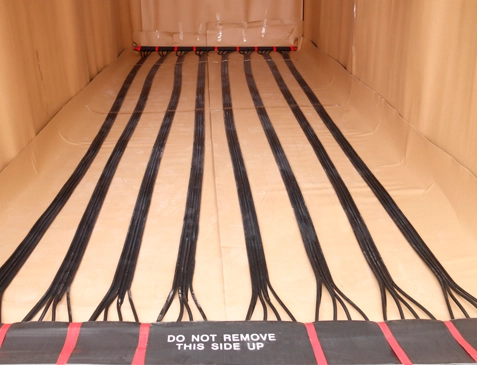
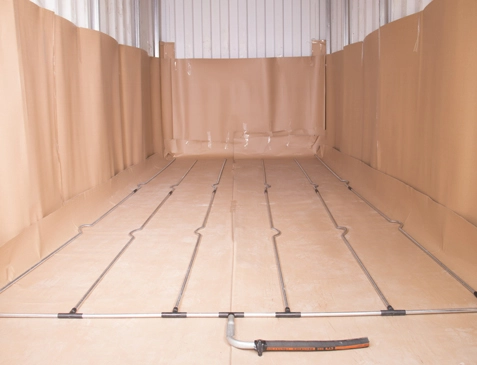
Before filling begins, the container is inspected for structural damage, sharp edges, protruding nails, contamination, or floor defects that could damage the flexitank. Protective corrugated material or other approved lining is then placed between the flexitank and the container surfaces where required.
The basic operating process is:
Inspect and prepare the 20ft container.
Install protective lining and the empty flexitank.
Install the door-end bulkhead or retaining system.
Connect the filling hose to the flexitank valve.
Pump the liquid into the flexitank at a controlled rate.
Stop filling at the specified volume or weight.
Close and secure the valve before transportation.
At destination, connect the discharge hose and pump the cargo into the receiving tank.
Once loaded, the container flexitank becomes part of an integrated transport system consisting of the container, flexitank, valve, fittings, protective materials, and restraint system.
A standard 20ft flexitank typically carries around 16,000 to 24,000 liters, depending on the cargo density, flexitank design, container payload limits, and carrier requirements.
BLT provides flexitank configurations from 16–26 kL for different cargo requirements, while standard 20ft applications should be selected according to both liquid density and permitted loading weight.
Capacity should never be selected by volume alone.
For example:
Cargo weight = liquid volume × liquid density
A 24,000-liter cargo with a density of 1.05 kg/L would weigh approximately 25,200 kg before considering other restrictions. Therefore, shippers must check cargo density and container payload before selecting the flexitank size.
When a flexitank is filled, thousands of liters of liquid create considerable pressure toward the container doors.
The bulkhead or retaining system helps distribute this load and prevents the filled flexitank from pressing directly against the doors. It also keeps the discharge valve accessible.
This is why a complete flexitanks container installation is more than simply placing a plastic bag inside a container. The flexitank, bulkhead, container condition, protective lining, valve position, and filling volume must work together as one transportation system.
Yes. Liquid cargo naturally moves when a container accelerates, brakes, turns, or experiences vessel motion.
For this reason, the flexitank should be filled within the manufacturer's specified tolerance. COA guidance states that flexitanks should normally be filled to the specified capacity within approximately ±3%. Excessive underfilling can increase liquid movement and place unnecessary dynamic loads on the flexitank and container system.
Correct capacity selection is therefore a safety issue, not simply a way to maximize payload.
Flexitank containers are mainly designed for compatible liquids classified as non-dangerous goods.
Typical applications include:
Edible oils
Fruit juice and beverage concentrates
Wine
Glycerin
Base oils and lubricants
Latex
Glycols
Polyols
Liquid food ingredients
Compatible non-hazardous chemicals
Dangerous goods regulated under the IMDG Code should not be transported in standard flexitank systems. Cargo compatibility with the flexitank film, valve, operating temperature, and other materials must also be confirmed before loading.
For this reason, BLT offers different flexitank designs for food-grade liquids, chemicals, wine, high-temperature cargo, and other specialized applications rather than treating every liquid as the same transport requirement.
Most successful flexitank shipments depend on several details being controlled before the container leaves the loading site.
Common risk factors include:
| Risk | Why It Matters |
|---|---|
| Damaged container interior | Sharp surfaces may puncture or abrade the flexitank |
| Incorrect flexitank capacity | Underfilling can increase liquid movement |
| Excess cargo weight | May exceed container or transport limits |
| Poor bulkhead installation | Can increase pressure on the container doors |
| Cargo incompatibility | May affect film, valve, or cargo quality |
| Incorrect loading temperature | Can affect flexitank performance |
A reliable shipment therefore begins with matching the correct flexitank specification to the cargo rather than simply choosing the largest available capacity.
A flexitank container converts a standard shipping container into an efficient bulk liquid transportation system by combining a flexible bladder with the container's rigid structure, protective lining, valve, and restraint system.
For safe operation, shippers should focus on five factors: container condition, cargo compatibility, correct flexitank capacity, proper installation, and controlled filling.
When these elements are correctly matched, a flexitank provides an efficient solution for moving large volumes of non-hazardous liquid through standard sea, rail, and road container logistics.
Not automatically. A suitable, structurally sound container should be inspected and prepared before flexitank installation.
Most flexitanks used for international bulk liquid transportation are designed for single-trip use.
A standard 20ft general-purpose dry container is the most common configuration.
Standard flexitanks are intended for compatible non-hazardous liquids, not dangerous goods regulated under the IMDG Code.
A discharge hose is connected to the flexitank valve, and the liquid is pumped or transferred into the consignee's receiving system.
Check the liquid density, required shipment volume, flexitank rated capacity, container payload, loading temperature, and carrier requirements before loading.