EN
EN
 es
es  ru
ru  CN
CN

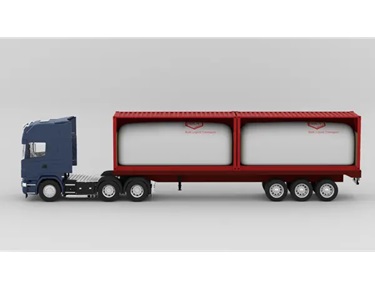
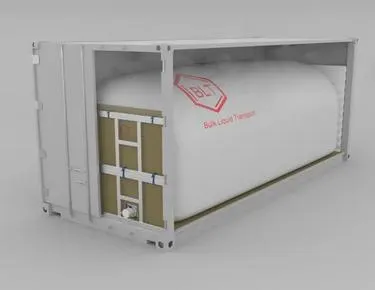
As global demand for non-hazardous bulk liquid transport continues to rise, the flexitank shipping container has emerged as a cost-effective, efficient, and environmentally friendly solution. Used across industries such as food & beverage, agriculture, chemicals, and pharmaceuticals, the flexitank system transforms a standard 20-foot container into a high-capacity liquid transport unit.
BLT, a recognized name in bulk logistics, offers specialized flexitank shipping container services. To ensure optimal performance, there are several critical factors users should consider when preparing and utilizing flexitanks. The following sections outline key operational, logistical, and safety considerations.
Before loading a flexitank shipping container, a thorough inspection of the base container is mandatory. Not all containers are suitable for flexitank installation, and any defects can lead to cargo damage or leakage.
Checklist for Pre-loading Inspection:
| Inspection Item | Requirement |
|---|---|
| Container Type | 20-foot general-purpose ISO container |
| Interior Cleanliness | No rust, dust, sharp edges, or residue |
| Floor Condition | Free of nails, cracks, or damage |
| Door Seals | Must be intact to prevent contamination |
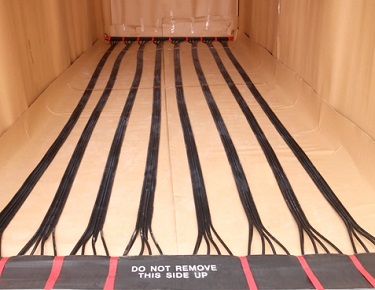
The container must be dry, odor-free, and structurally sound. Additionally, installing corrugated paper lining and bulkhead reinforcement is standard practice to protect the flexitank during transit. Many damage claims stem from inadequate container preparation, so attention to these basics can reduce risk and liability.
Proper loading of a flexitank shipping container is essential for product integrity and transport safety. Most flexitanks are designed for gravity or pump-based loading at a recommended rate, ensuring a steady and bubble-free fill.
Key points during loading:
Ensure the inlet valve is properly secured and sterilized.
Monitor the flow rate to avoid overpressure.
Avoid abrupt starts or stops during liquid flow.
Follow specific loading temperature ranges, especially for temperature-sensitive goods (e.g., oils, syrups).
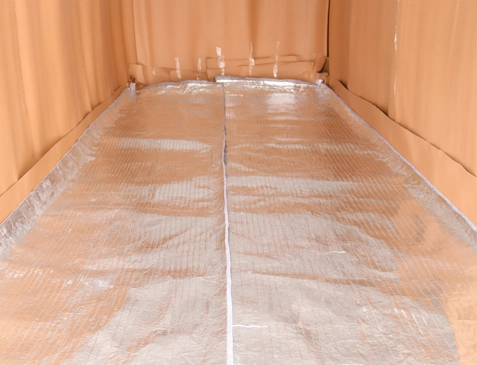
Temperature variation during transport can affect product viscosity and expansion. Flexitanks typically allow for minor expansion, but exceeding thermal limits may lead to bag rupture or valve leakage. Insulated flexitank systems or reefer containers may be used for more sensitive goods.
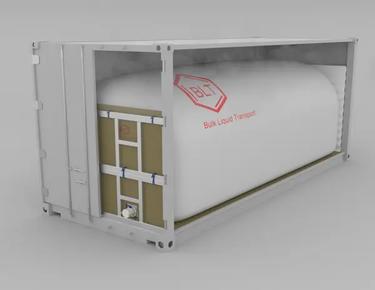
Not all liquid products are compatible with flexitank materials. Therefore, understanding the chemical properties of the cargo is critical. Most flexitank shipping containers are suitable for food-grade and non-hazardous liquids, including:
Edible oils
Fruit concentrates
Wine and beverages
Non-corrosive chemicals
Avoid loading materials with strong solvents, high alcohol content, or corrosive agents unless the flexitank is specially engineered for them.

The final stage of using a flexitank shipping container is the unloading process. This step must be managed with the same level of care as loading to prevent contamination, spillage, or product loss.
Tips for safe and efficient unloading:
Place the container on a level surface before opening the valve.
Use approved pumping equipment with pressure control.
Do not walk on or apply pressure to the flexitank during unloading.
Ensure residual liquid is minimized to reduce waste.
BLT's flexitank shipping container solutions are backed by extensive logistics experience, safety compliance, and a commitment to quality. From container selection to installation, loading supervision, and post-delivery support, BLT ensures every detail is covered. Whether transporting vegetable oil across continents or non-hazardous chemicals for regional delivery, BLT provides a dependable, customized approach to bulk liquid logistics.