EN
EN
 es
es  ru
ru  CN
CN

Reefer container transport has become an essential solution in the logistics industry, particularly for the safe transportation of temperature-sensitive goods. These specialized refrigerated containers offer precise control over internal temperatures, ensuring that perishable items such as food, pharmaceuticals, and chemicals arrive at their destination in optimal condition. Below, we explore the key advantages of using reefer container transport.
One of the primary advantages of reefer container transport is the ability to precisely control the temperature inside the container. This is crucial for transporting perishable goods, such as fruits, vegetables, dairy products, seafood, and pharmaceuticals, which require consistent cooling to maintain their quality and safety. Reefer containers are equipped with advanced cooling systems that allow operators to set and maintain a specific temperature range, ensuring that goods are transported under optimal conditions throughout the journey.
Food Industry: Ensures fresh produce and perishable items are maintained at the required temperature.
Pharmaceutical Industry: Allows temperature-sensitive medicines and vaccines to be transported safely.
Chemical Industry: Keeps chemicals at stable temperatures to prevent degradation or reactions.
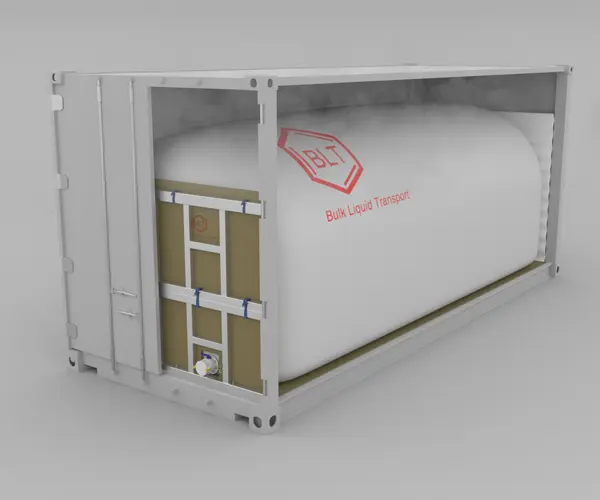
Reefer container transport significantly extends the shelf life of temperature-sensitive goods. By maintaining a consistent cold environment, reefer containers slow down the natural decay process of perishable items, keeping them fresher for longer periods. This is particularly important for international shipments, where goods may need to be stored for extended durations before reaching their final destination. As a result, businesses can transport a wider range of perishable products over long distances without compromising quality.
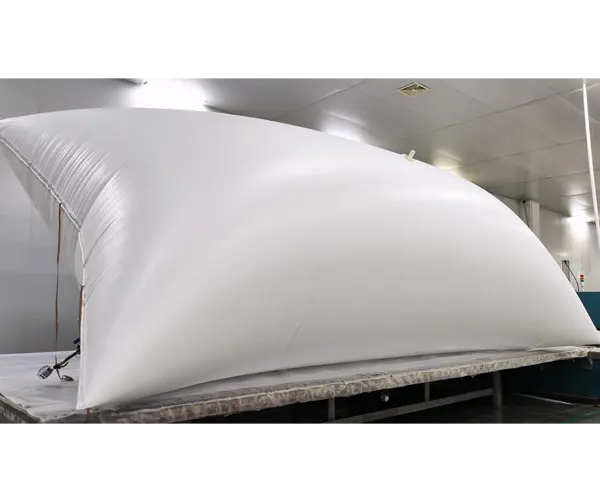
Reefer container transport is incredibly flexible and can be adapted to meet the needs of different types of cargo. These containers are available in various sizes and can be adjusted to accommodate different temperature settings, ranging from frozen to refrigerated to ambient conditions. This versatility makes reefer containers suitable for a wide range of industries, including:
Food & Beverage: From frozen meat to chilled beverages, reefer containers offer solutions for a wide variety of goods.
Pharmaceuticals: Ensures that medicines, vaccines, and other sensitive items are kept at their required temperatures.
Chemical Products: Protects chemicals from heat damage, preserving their chemical integrity.

Reefer container transport improves supply chain efficiency by ensuring that perishable goods can be transported over long distances without the need for frequent stops or additional handling. This reduces the risk of delays and spoilage, ensuring that products arrive at their destination in a timely manner. Reefer containers are compatible with various transport modes, including sea, road, and rail, making them an ideal solution for global logistics operations.
Below is a simple table summarizing the primary advantages of reefer container transport across different industries:
| Industry | Advantages of Reefer Container Transport | Types of Goods Transported |
|---|---|---|
| Food & Beverage | Consistent temperature control to maintain freshness and quality. | Fresh produce, dairy products, frozen meat, beverages. |
| Pharmaceuticals | Secure transportation for temperature-sensitive drugs and vaccines. | Medicines, vaccines, biological samples. |
| Chemical Industry | Maintains stable temperatures to protect chemicals from degradation. | Industrial chemicals, solvents, reagents. |
| Other Industries | Flexible temperature settings for a variety of goods. | Cosmetics, perfumes, and other temperature-sensitive products. |
Reefer container transport offers numerous advantages that make it a critical component of the global supply chain. From providing precise temperature control for sensitive goods to extending shelf life and ensuring the safe transport of pharmaceuticals and food products, reefer containers are an indispensable tool in modern logistics. Their flexibility, efficiency, and ability to maintain quality over long distances make them the preferred choice for businesses involved in the transportation of perishable and temperature-sensitive items.