EN
EN
 es
es  ru
ru  CN
CN

For food producers, traders, and logistics managers, moving edible oils, wines, fruit juice concentrates, or liquid sugars across borders is never just a shipping decision – it is a delicate balancing act. You are weighing cost against safety, container availability against payload efficiency, and regulatory compliance against operational simplicity. Get the balance right, and bulk liquid food transport becomes a competitive advantage. Get it wrong, and a single damaged shipment can erase months of profit.
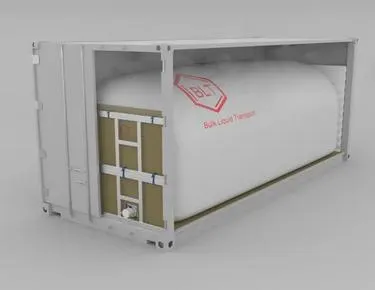
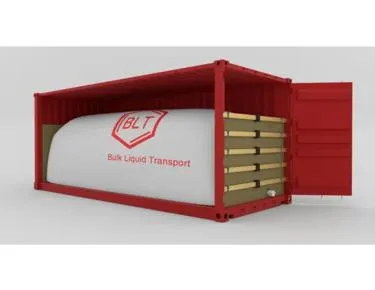
Over the past decade, a quiet shift has reshaped how non-hazardous liquid foods are transported internationally. Flexitanks – large, single-use bladders that fit inside standard 20-foot or 40-foot dry-van containers – have moved from a niche alternative to a mainstream logistics solution. Yet not all flexitanks are created equal, and the choices you make around material quality, certification, and loading practices determine whether your shipment arrives intact or becomes an insurance claim.
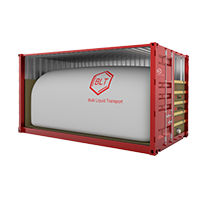
The basic premise is simple: instead of using stainless steel ISO tank containers that must be cleaned and returned, or stacking pallets of drums that waste space and labour, a flexitank turns an ordinary shipping container into a bulk liquid transporter. When the journey is complete, the flexitank is disposed of or recycled. There is nothing to clean, nothing to send back, and no risk of cross-contamination from a previous cargo.
This model delivers three practical benefits that matter most to food shippers:
Higher payload per container. A standard 20-foot container fitted with a flexitank can carry significantly more liquid than the same container loaded with drums or intermediate bulk containers (IBCs), because flexitanks eliminate the dead space and tare weight associated with rigid packaging. For businesses shipping high volumes, that translates directly into lower freight costs per litre.
Eliminated return logistics. ISO tanks are reusable assets, which is both their strength and their weakness – after unloading, someone has to pay to clean them and ship them back to the origin. Flexitanks remove this cost line entirely.
Reduced contamination risk. Because each flexitank is used only once and manufactured from virgin food-grade polyethylene, there is no lingering residue from previous shipments. For edible oils and beverages, where purity is non-negotiable, this matters enormously.
The term "food grade" appears everywhere in packaging marketing, but in the context of flexitanks, it refers to specific, verifiable standards. The polyethylene film that comes into direct contact with the liquid cargo must meet regulatory requirements set by authorities such as the U.S. Food and Drug Administration (FDA) and the European Union's directives on plastic materials intended for food contact.
Beyond the material itself, the entire manufacturing process should operate under a food safety management system. Certification to FSSC 22000 or ISO 22000 provides independent verification that a flexitank manufacturer controls hazards throughout production – from raw material handling to finished product packaging. For shipments destined for markets with religious dietary requirements, additional certifications such as Kosher or Halal may be necessary.
The Container Owners Association (COA) also publishes a Code of Practice for flexitanks, and manufacturers who comply with it have undergone testing that simulates the stresses of maritime transport. A COA-approved flexitank has been assessed for burst strength, vibration resistance, and compatibility with standard container dimensions.
For a food shipper, the practical takeaway is this: before committing to a flexitank supplier, ask for current copies of their FDA compliance letters, EU food-contact certifications, FSSC 22000 or ISO 22000 certificates, and evidence of COA testing where applicable. A reputable manufacturer will provide these without hesitation.
The flexitank market continues to expand at a steady pace, with multiple industry analysts projecting double-digit annual growth through the end of the decade. This growth is driven by rising international trade in edible oils, wine, and other liquid food ingredients, paired with a wider push toward more efficient bulk logistics. Asia-Pacific currently accounts for the largest share of this market, a reflection of the region's strong export volumes in edible oils, wine, and specialty products.
At the same time, regulatory attention on bulk liquid food transport is intensifying globally – including recent legislative activity in China aimed at tightening oversight of how liquid food products are moved by road, with stricter licensing requirements and harsher penalties for non-compliance. These developments underscore a broader truth: the days of informal, loosely regulated bulk liquid transport are ending. Shippers who align with certified, audited supply chains now will be ahead of the regulatory curve.
Even the best flexitank can fail if it is installed incorrectly or paired with the wrong container. The International Union of Marine Insurance (IUMI) has documented that flexitank-related claims often trace back to a handful of preventable causes: pre-existing damage to the container, installation errors, overfilling or underfilling, and use of containers not structurally suited to carrying liquid loads.
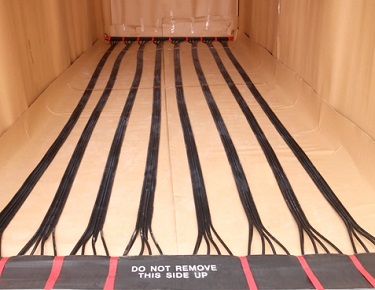
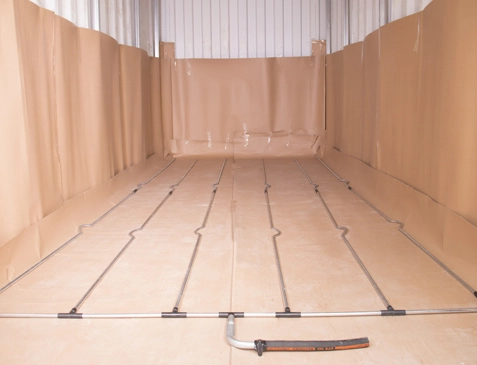
A loaded flexitank exerts significant dynamic forces on the container walls during transport. If the container has dents, protruding nails, or rusted panels, those imperfections become failure points. Proper container preparation – thorough inspection, removal of obstacles, and lining of walls and floors with cardboard or plywood – is not optional; it is fundamental.
Filling ratios also matter. The flexitank manufacturer's instructions will specify minimum and maximum fill levels, and deviating from them can cause dangerous surging or excessive pressure on the container doors. Installation should always be carried out by trained personnel following a documented checklist.
A further consideration is liquid compatibility. While flexitanks are suitable for a wide range of food-grade liquids – from vegetable oils and wine to glucose syrup and liquid egg products – the specific film formulation should be matched to the cargo's characteristics, including acidity, viscosity, and loading temperature. A qualified manufacturer will advise on the correct film structure for your product.
Given the importance of food safety and cargo integrity, evaluating the overall flexitank price and choosing a flexitank supplier deserves more attention than simply comparing unit prices. Here are the questions worth asking:
Does the manufacturer control its own production? Suppliers who operate their own factories – managing everything from film extrusion to final assembly – tend to have tighter quality control than those who outsource production. Vertical integration also means faster response times for customised requirements.
What certifications do they hold, and are they current? As discussed above, certifications are not decoration – they are evidence of third-party auditing. A credible supplier will hold FDA and EU food-contact approvals, plus a recognised food safety management certification such as FSSC 22000 or ISO 22000.
Have their products passed independent impact testing? COA certification and railway impact testing (such as those conducted to AAR or CRCC standards) provide objective evidence that a flexitank can survive real-world transport conditions.
What does their global support network look like? If something goes wrong at the destination port, you need local assistance – not a time-zone-delayed email response. Suppliers with a presence in multiple regions can offer faster on-the-ground support.
Can they provide references from shippers moving similar cargo? Talking to a supplier's existing customers – particularly those shipping liquids comparable to yours – is one of the most reliable ways to gauge reliability.
Bulk liquid food transport does not need to be complicated, but it does require attention to detail. The flexitank itself is only one part of the equation. The container it sits in, the training of the people who install and fill it, the certification of the materials that touch the food, and the reliability of the supplier behind it all – these factors together determine whether your cargo reaches its destination in saleable condition.
As global trade in edible oils, fruit juices, wines, and liquid food ingredients continues to expand, the logistics professionals who invest in properly certified flexitanks from manufacturers that control their own quality will be the ones who ship with confidence – and that confidence is worth more than any short-term cost saving.
A: The most frequently cited cause in insurance claims is inadequate container preparation combined with incorrect installation. Damage such as dents, protruding nails, or rust inside the container can puncture the flexitank, while deviations from the specified filling ratio can create dangerous surging or door pressure. Using trained installation teams and following a strict pre-loading checklist dramatically reduces these risks.
A: Yes. Flexitanks intended for food-grade liquids are manufactured from virgin polyethylene film that complies with FDA and EU food-contact regulations. Many are also certified to FSSC 22000, Kosher, and Halal standards, making them suitable for a wide range of international markets. Always verify that the specific flexitank model carries the certifications required by your destination country.
A: Flexitanks are designed as single-use packaging. Attempting to clean and reuse one for food-grade transport is not recommended and would likely violate food safety regulations, as it is extremely difficult to guarantee complete removal of residues and to verify the absence of micro-damage from the first journey. For applications where reuse is desired, ISO tank containers are a more appropriate choice.