EN
EN
 es
es  ru
ru  CN
CN

Choose an electric flexitank heating pad when the unloading site has a suitable electrical supply and you need convenient installation and controlled heating. Choose a steam heating pad when industrial steam is readily available and the priority is transferring substantial heat into cargo that has become highly viscous or partially solidified.
Neither method is universally better. The right choice depends mainly on cargo viscosity, solidification temperature, allowable product temperature, available utilities at destination, and required discharge conditions.
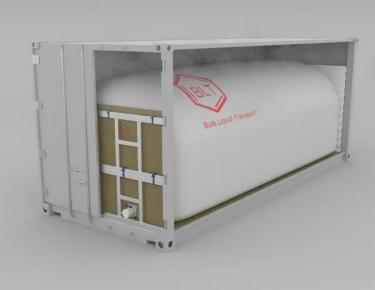
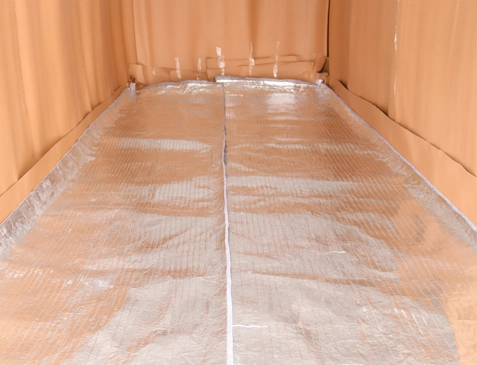
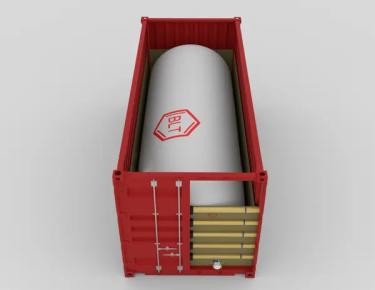
Flexitank heating pads are normally installed beneath the flexitank and used to restore temperature-dependent liquids to a sufficiently flowable state for discharge.
| Factor | Electric Heating Pad | Steam Heating Pad |
| Energy source | Electricity | Steam |
| Site requirement | Compatible electrical circuit | Steam supply |
| Temperature control | Generally easier to regulate | Depends on steam pressure and operating setup |
| Installation | Relatively straightforward | Requires steam connections |
| Condensate | None from heating process | Depends on heating-pad design |
| Typical use | Temperature-sensitive or solidifying liquids | Viscous or solidified cargo requiring substantial reheating |
| Best fit | Sites without steam infrastructure | Industrial facilities with established steam systems |
BLT supplies electric models in 220V and 380V configurations, as well as rubber-hose and iron-tube steam heating systems. The appropriate system should be confirmed before shipment because the destination's utility infrastructure directly affects whether reheating can be performed efficiently.
Heating speed cannot be determined by the energy source alone.
A 20ft-container flexitank may contain more than 20 tonnes of liquid, so reheating performance depends on:
Starting cargo temperature
Ambient temperature
Product heat capacity
Viscosity and melting characteristics
Required discharge temperature
Steam supply or available electrical power
Heating-pad contact area
Insulation and heat loss
Whether the cargo is liquid, semi-solid or fully solidified
Where a facility has an adequate industrial steam supply, steam systems can be effective for reheating large quantities of solidifying cargo. Steam heating pads transfer heat through a circuit positioned beneath the flexitank, gradually warming the product until discharge becomes practical.
Electric heating offers an important advantage when controlled heating is the priority. BLT's electric heating pad 220 volt and 380V systems use resistance-wire heating combined with aluminum foil and insulation materials, and are designed for products that solidify at low temperatures or require specific temperature conditions.
For heat-sensitive products, temperature control should always take priority over simply applying maximum heating power.
The destination facility should be reviewed before selecting the heating pad, not after the container arrives.
An electric heating pad 220v solution is particularly useful when:
A compatible 220V electrical supply is available
Industrial steam is unavailable
Controlled heating is important
Condensate management is undesirable
The consignee requires relatively simple heating infrastructure
For destinations with different electrical standards or greater power requirements, a 380V version may be more appropriate. Voltage, frequency, plug connection, electrical capacity and operating procedures should all be confirmed with the receiving facility before shipment.
Steam heating is usually worth considering when the receiving facility already operates a reliable steam system.
BLT offers two main steam configurations. Its rubber-hose version uses high-temperature EPDM rubber tubing and does not require condensate discharge according to BLT's product specification. Its iron-tube version uses galvanized tubing and high-temperature-resistant hoses and requires suitable condensate discharge arrangements.
This distinction can matter significantly at warehouses or factories where drainage and steam infrastructure are restricted.
Heating pads are commonly considered for liquids that become difficult to pump after exposure to lower temperatures during ocean or inland transportation.
Typical applications can include:
Edible oils and fats: Palm-based products, coconut oil and other fats may thicken or solidify depending on ambient temperature.
Syrups and concentrated food liquids: Increasing temperature within the product's permitted range can reduce viscosity and improve discharge.
Oleochemicals and industrial liquids: Some non-hazardous products become highly viscous during winter transportation and require reheating before pumping.
For cargo that has significantly solidified and where industrial steam is available, a steam system may provide a practical solution.
For products requiring a more controlled heating approach, an electric heating pad 220 volt system can be attractive because the electrical heating setup allows greater operating control. BLT specifically identifies its electric system for both low-temperature solidifying cargoes and products requiring specific temperature conditions.
The supplier should still review the cargo before recommending a system. At minimum, provide the product name, SDS where applicable, loading temperature, solidification or crystallization temperature, desired discharge temperature, viscosity, destination ambient conditions and available utilities.
Yes. A heating pad installed underneath the flexitank can reheat compatible cargo before or during discharge, helping reduce viscosity or return a partially solidified product to a pumpable state.
There is no reliable universal heating time. A slightly thickened liquid may require much less energy than a cargo that has solidified throughout the container. Cargo quantity, starting temperature, ambient conditions and heating-system output must all be considered when planning the discharge.
Normally, the heating pad should be positioned correctly before the flexitank is installed and filled. A loaded flexitank can weigh more than 20 tonnes, making later installation underneath it impractical and unsafe.
No. The consignee must have a compatible and adequately rated electrical supply. When choosing an electric heating pad 220v, verify local voltage, available electrical capacity and connection requirements before the container is dispatched.
No. Some products remain sufficiently pumpable throughout the expected temperature range. Heating should be selected according to the product's viscosity-temperature relationship, solidification behavior, season, transit route and unloading conditions.
For international flexitank shipments, the best decision is therefore made at the route-planning stage. If the destination has reliable industrial steam and the cargo requires substantial reheating, steam is often the practical choice. If electrical infrastructure is easier to access and controlled heating is important, a BLT electric heating pad 220 volt or 380V system may provide the more convenient solution.
Evaluating the cargo temperature requirements and destination utilities before loading helps prevent one of the most expensive flexitank problems: a container arriving safely, but the product being too viscous to discharge efficiently.